Would you like to switch to the accessible version of this site?

Go to accessible site Close modal window

Don't need the accessible version of this site?

Hide the accessibility button Close modal window
Accessibility View Close toolbar
VH

Our Location

(707) 206-0290

Open mobile navigation
  • Home
  • New Patient Center
    • Online Forms
    • Insurance and Payments
  • About Us
    • Meet the Optometrist
  • Eyecare Services
    • Contact Lens Exams
    • Eye and Vision Exams
    • Lasik Eye Surgery
    • Hard to Fit Contacts
    • Computer Vision Treatment
    • Sports Vision
    • Sunglasses
  • Frames
    • Designer Frames
  • Testimonials
  • Contact Us
    • Appointment Request
  • Community Content
  • Home >
  • Articles >
  • Common Eye Conditions >
  • Age-Related >
  • Presbyopia

Presbyopia

  • Created in Common Eye Conditions, Age-Related

presbyopia

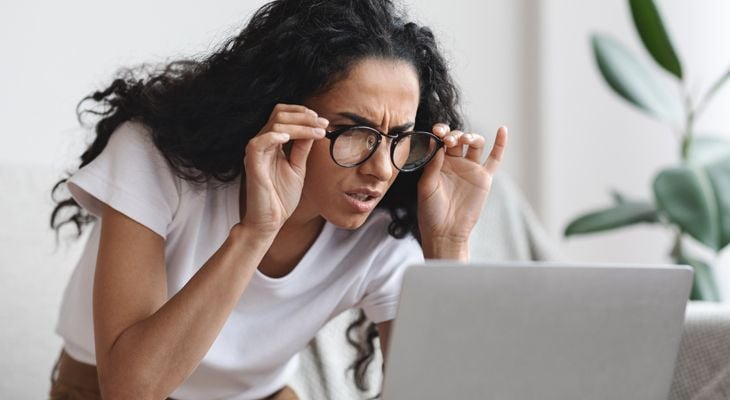
As we age, our eyes—like the rest of our bodies—begin to lose flexibility and strength. When this happens to the lens of the eye and its surrounding muscles, your lens will become stiff. This makes it harder to see close objects clearly because the eyes can't focus properly. It's a natural part of aging that typically begins around age 40. Presbyopia can be corrected easily with eyeglasses or contact lenses from an optometry clinic.

Is Presbyopia the Same as Farsightedness?

No. Farsightedness is caused by distortions in the shape of the eyeball. Presbyopia occurs when your lens becomes stiff.

What Are the Symptoms of Presbyopia?

  • A need to hold things at arm's length to read them
  • Blurry vision when reading things at a normal distance
  • Fatigue or headaches after doing work at a close distance

How Is Presbyopia Diagnosed?

Your eye care provider will conduct a thorough eye exam and check for presbyopia.

How Is Presbyopia Treated?

To help correct the symptoms, your eye care provider may advise you to use aids such as:

  • Prescription eyeglasses
  • Contact lenses
  • Reading glasses
  • Progressive lenses
  • Bifocals

Most commonly, bifocals or progressive lenses are recommended. The top portion of the eyeglass lenses correct vision at long distances, and the bottom portion helps you see clearly up close. Bifocals have a distinct edge between the two prescriptions, but progressive lenses have a graduated transition between the areas.

Over time, if your presbyopia continues to change your vision, then you may need to update your eyewear periodically to maintain clear vision.

If you prefer a more permanent treatment, ask your eye care provider if you're a good candidate for conductive keratoplasty. In this procedure, precise radio waves reshape your cornea to improve your vision of nearby items.

As a sign of natural and healthy aging, presbyopia can be annoying, but it's easy to address. Whether you prefer glasses, contact lenses or surgery, talk with your eye care provider to find out which options are best for you.

  • Common Eye Conditions
    • Age-Related
    • Cognitive and Acquired
    • Vision Impairment
    • Injury & Irritation
    • Eye Lids
    • Changes in Appearance
  • Contact Lenses
  • Eye Diseases
  • Eyeglasses
    • Eyeglass Lenses
  • Eye Symptoms
  • How the Eyes Work
    • Basic Visual Skills
  • Pediatric Vision
  • Protecting Your Eyes
  • Visual Rehabilitation
  • Vision Problems
  • What is Vision Therapy
  • Vision Therapy Programs
  • We Can Help With
    • Cataracts
    • Corneal Disorders
      • Disorders
    • Glaucoma
    • Refractive Disorders
    • Adult Strabismus
    • Retinal Disorders
  • Newsletters
    • Glasses & Frames
    • Contacts
    • Tips for Healthy Eyes
    • Conditions That Affect Vision
    • Kid's Vision
    • Amazing, Interesting Eyes
    • Medical Perspectives

Contact Us

We look forward to hearing from you.

Error!

    Hours of Operation

    Our Regular Schedule

    Rohnert Park Office

    Monday:

    11:00 am-4:00 pm

    Tuesday:

    10:00 am-7:00 pm

    Wednesday:

    9:00 am-7:00 pm

    Thursday:

    9:00 am-5:00 pm

    Friday:

    9:00 am-5:00 pm

    Saturday:

    Closed

    Sunday:

    Closed

    Locations

    Find us on the map

      No testimonials found. Please add

    Featured Articles

    • March Newsletter: Top Signs You Need to See an Optometrist

      Do you need to make an appointment with the eye doctor? ...

      Read More
    • March Newsletter: How Dehydration Affects Your Eye Health

      Do you know how dehydration affects your eyes? ...

      Read More
    • February Newsletter: How to Prepare for an Eye Exam

      Are you ready for your eye exam? ...

      Read More
    • February Newsletter: What are Eye Floaters and When Should You Seek Treatment?

      Do you know when eye floaters need treatment? ...

      Read More
    • January Newsletter: Why You Should Not Ignore Dry Eye Symptoms

      Are your eyes dry? Find out why you shouldn't overlook your symptoms. ...

      Read More
    • January Newsletter: How the 20-20-20 Rule Can Reduce Eye Strain

      Struggling with eye strain? This simple rule can help. ...

      Read More
    • December Newsletter: The Best Contact Lenses for Dry Eyes

      Need to find more comfortable contacts for your dry eyes? Take a look at these options. ...

      Read More
    • December Newsletter: Daily Habits That Affect Your Vision

      Could your daily habits harm your eyesight? ...

      Read More
    • November Newsletter: Why It's Important to Have an Extra Pair of Eyeglasses or Contact Lenses

      Do you have an extra pair of eyeglasses or contact lenses? ...

      Read More
    • November Newsletter: The Advantages of Rimless Eyeglasses

      Are rimless eyeglasses right for you? ...

      Read More

    Newsletter Signup

    Sign up for more articles!

    Error!

      • Copyright © 2026 MH Sub I, LLC dba iMatrix
      • Admin Log In
      • Site Map