Would you like to switch to the accessible version of this site?

Go to accessible site Close modal window

Don't need the accessible version of this site?

Hide the accessibility button Close modal window
Accessibility View Close toolbar
VH

Our Location

(707) 206-0290

Open mobile navigation
  • Home
  • New Patient Center
    • Online Forms
    • Insurance and Payments
  • About Us
    • Meet the Optometrist
  • Eyecare Services
    • Contact Lens Exams
    • Eye and Vision Exams
    • Lasik Eye Surgery
    • Hard to Fit Contacts
    • Computer Vision Treatment
    • Sports Vision
    • Sunglasses
  • Frames
    • Designer Frames
  • Testimonials
  • Contact Us
    • Appointment Request
  • Community Content
  • Home >
  • Articles >
  • Pediatric Vision >
  • Pediatric Ophthalmology

Pediatric Ophthalmology

  • Created in Pediatric Vision

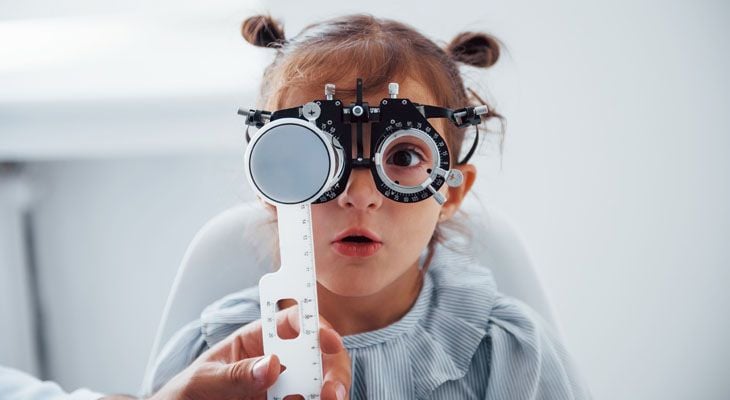
Young child having eyes examined

Ophthalmology addresses the physiology, anatomy and diseases of the eyes. Pediatric ophthalmology focuses on the eyes of children. Pediatric ophthalmologists examine children’s eyes to see if they need corrective lenses or other treatments to improve their vision.

Training for Pediatric Ophthalmologists

Pediatric ophthalmologists graduate from medical school just like other types of doctors, but they decide to specialize in children’s eye health. In addition to studying about the structure and disorders of the eyes, these specialists undergo additional training in examining children. They go to extra lengths to make sure that children feel safe and comfortable within the medical setting and with the sensitive proceedings of an eye exam.

Benefits

Vision develops neurologically until a child is about 12 years old. Early detection of problems can make them easier to solve during these crucial years of growth. For example, diagnosing and treating strabismus — commonly known as being cross-eyed — in a young child ensures she has the best chance of developing and maintaining good vision. Nearsighted children will do better in school once they have glasses. Pediatric ophthalmologists also address diseases elsewhere in the body that affect children’s eyes.

What to Expect During Your Child’s Visit

Expect your first visit to be longer than your average doctor’s appointment. Allow at least 90 minutes for a thorough exam. If the pediatric ophthalmologist orders special testing, the appointment could take even longer.

The doctor will ask about your child’s health history and any eye-related concerns you might have. Be sure to bring your insurance information and a list of any medications your child takes. Notify the doctor of any allergies.

Pediatric ophthalmologists have different ways of testing children’s eye health, depending on their ages. These may include looking at pictures and reading eye charts. The doctor will check each eye separately as well as both together, and test muscle function around the eyes. Expect the ophthalmologist to use an ophthalmoscope, an instrument that shines a powerful light into the eyes.

Your child’s eyes will probably be dilated with eye drops so the doctor can check how the pupils react to light, and to measure the eye’s focusing system. These drops can sting and cause blurry vision. Reassure your child that this is temporary, and necessary to let they doctor see inside his or her eyes.

Once testing is through, your pediatric ophthalmologist will recommend treatment, if needed. This could include exercises, glasses, medications or surgery.

Pediatricians and family doctors should check children’s vision as a routine part of an examination. If a doctor has referred your child to a pediatric ophthalmologist, call us today so we can optimize your child’s developing vision.

  • Common Eye Conditions
    • Age-Related
    • Cognitive and Acquired
    • Vision Impairment
    • Injury & Irritation
    • Eye Lids
    • Changes in Appearance
  • Contact Lenses
  • Eye Diseases
  • Eyeglasses
    • Eyeglass Lenses
  • Eye Symptoms
  • How the Eyes Work
    • Basic Visual Skills
  • Pediatric Vision
  • Protecting Your Eyes
  • Visual Rehabilitation
  • Vision Problems
  • What is Vision Therapy
  • Vision Therapy Programs
  • We Can Help With
    • Cataracts
    • Corneal Disorders
      • Disorders
    • Glaucoma
    • Refractive Disorders
    • Adult Strabismus
    • Retinal Disorders
  • Newsletters
    • Glasses & Frames
    • Contacts
    • Tips for Healthy Eyes
    • Conditions That Affect Vision
    • Kid's Vision
    • Amazing, Interesting Eyes
    • Medical Perspectives

Contact Us

We look forward to hearing from you.

Error!

    Hours of Operation

    Our Regular Schedule

    Rohnert Park Office

    Monday:

    11:00 am-4:00 pm

    Tuesday:

    10:00 am-7:00 pm

    Wednesday:

    9:00 am-7:00 pm

    Thursday:

    9:00 am-5:00 pm

    Friday:

    9:00 am-5:00 pm

    Saturday:

    Closed

    Sunday:

    Closed

    Locations

    Find us on the map

      No testimonials found. Please add

    Featured Articles

    • March Newsletter: Top Signs You Need to See an Optometrist

      Do you need to make an appointment with the eye doctor? ...

      Read More
    • March Newsletter: How Dehydration Affects Your Eye Health

      Do you know how dehydration affects your eyes? ...

      Read More
    • February Newsletter: How to Prepare for an Eye Exam

      Are you ready for your eye exam? ...

      Read More
    • February Newsletter: What are Eye Floaters and When Should You Seek Treatment?

      Do you know when eye floaters need treatment? ...

      Read More
    • January Newsletter: Why You Should Not Ignore Dry Eye Symptoms

      Are your eyes dry? Find out why you shouldn't overlook your symptoms. ...

      Read More
    • January Newsletter: How the 20-20-20 Rule Can Reduce Eye Strain

      Struggling with eye strain? This simple rule can help. ...

      Read More
    • December Newsletter: The Best Contact Lenses for Dry Eyes

      Need to find more comfortable contacts for your dry eyes? Take a look at these options. ...

      Read More
    • December Newsletter: Daily Habits That Affect Your Vision

      Could your daily habits harm your eyesight? ...

      Read More
    • November Newsletter: Why It's Important to Have an Extra Pair of Eyeglasses or Contact Lenses

      Do you have an extra pair of eyeglasses or contact lenses? ...

      Read More
    • November Newsletter: The Advantages of Rimless Eyeglasses

      Are rimless eyeglasses right for you? ...

      Read More

    Newsletter Signup

    Sign up for more articles!

    Error!

      • Copyright © 2026 MH Sub I, LLC dba iMatrix
      • Admin Log In
      • Site Map